
Sweet Sixteen
I have this for saleEmbed the Sweet Sixteen specs
Show an always up-to-date spec card on your site. Paste the code into your page's HTML; keep the link below the card, so visitors can find the full specifications.
Spec card
Image instead
A static image of the main specs, linked to this page. Works where iframes are not allowed.
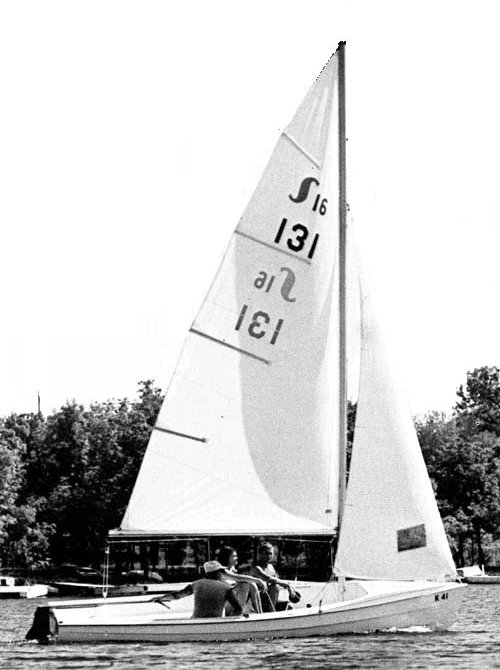
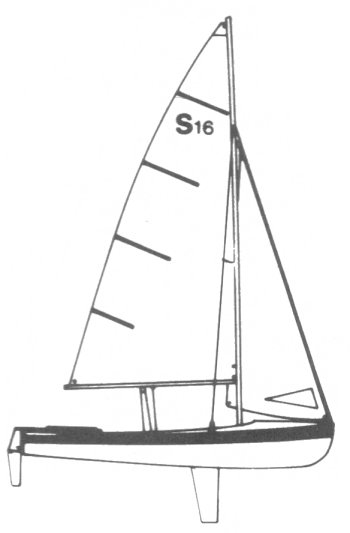
General Information
Dimensions
Weight & Ballast
Sail Plan
Performance Ratios
On the numbers, Sweet Sixteen rates as high-powered (SA/D 31.9) and light (D/L 109). Its comfort ratio of 4.8 is in the "lightweight racing" band; its capsize screening value of 3.13 is in the "above the guideline" band. Against its peers, SA/D stands out: higher than 75% of the 51 monohulls between 4.3 m and 5.5 m in our catalogue.
Ratios use published displacement (often light ship) and reported sail area; see Sources & methodology.
SA/D 31.9 — high-powered. Higher than 75% of the 51 monohulls between 4.3 m and 5.5 m in our catalogue. Sail area relative to displacement: the higher the number, the more sail the boat carries for its weight, which means more power in light air.
D/L 109 — light. Higher than 57% of the 317 monohulls between 4.3 m and 5.5 m in our catalogue. Displacement relative to waterline length: low numbers mean a light boat that accelerates and planes easily, high numbers a heavy boat that carries its weight through a seaway.
Comfort ratio 4.8 — lightweight racing. Lower than 60% of the 317 monohulls between 4.3 m and 5.5 m in our catalogue. An estimate of motion comfort in waves from displacement, beam and length: higher values suggest a slower, gentler motion.
Capsize screening 3.13 — above the guideline. Higher than 57% of the 448 monohulls between 4.3 m and 5.5 m in our catalogue. A screening formula from beam and displacement: lower is better, and values under 2.0 are the common guideline for offshore boats.
S-number 6.2. Higher than 66% of the 47 monohulls between 4.3 m and 5.5 m in our catalogue. A stability number combining hull form and ballast: higher values indicate better stability and sea-keeping.
Notes
Derived from the DEMON, also built by Advance Sailboat Corp., which, in turn was an extended version of the FLYING JUNIOR. This from the SWEET SIXTEEN web site:
More from Advance Sailboat Corp.
Similar boats
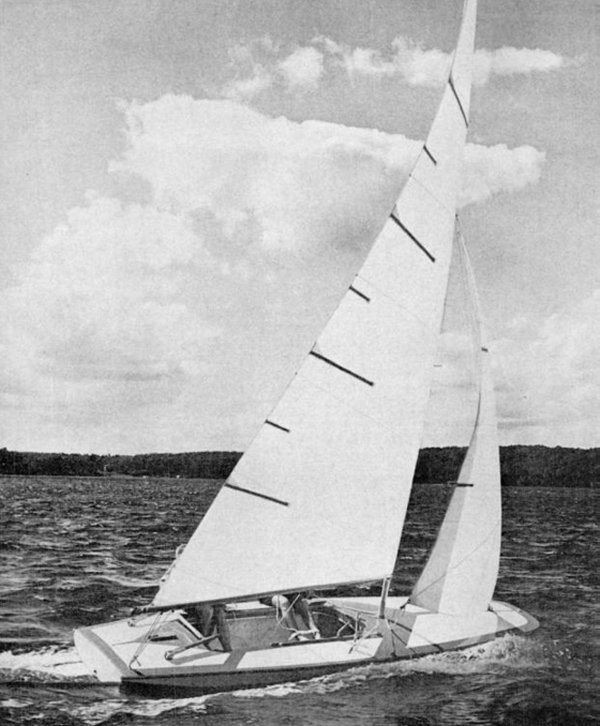
M-16 Scow
Windward Boatworks
Same length, 2% lighter · Compare
Crescent 16
0.2 m shorter, similar displacement · Compare
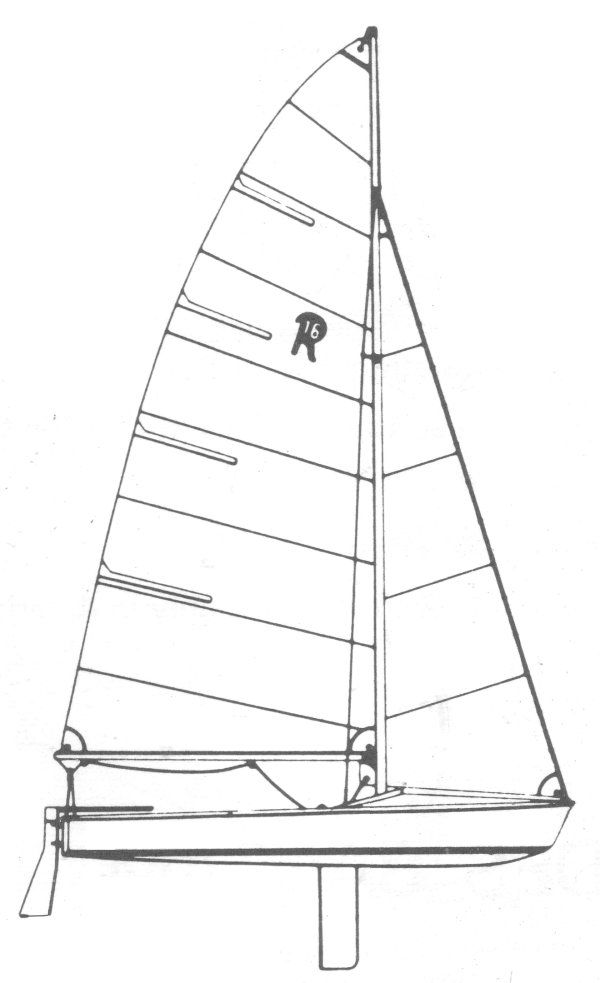
Ranger 16
Ranger Fiberglass Boats
0.2 m longer, similar displacement · Compare
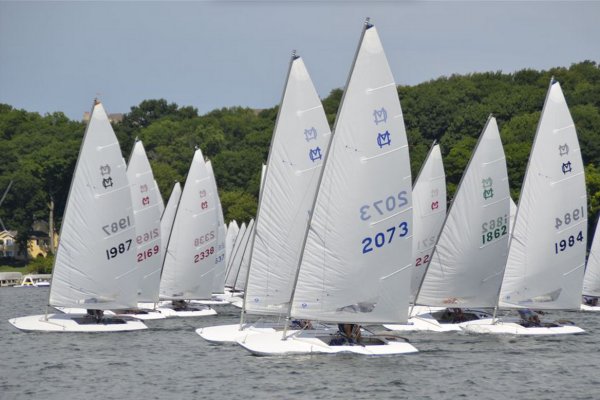
MC Scow
Melges Performance Sailboats
Same length, 6% lighter · Compare
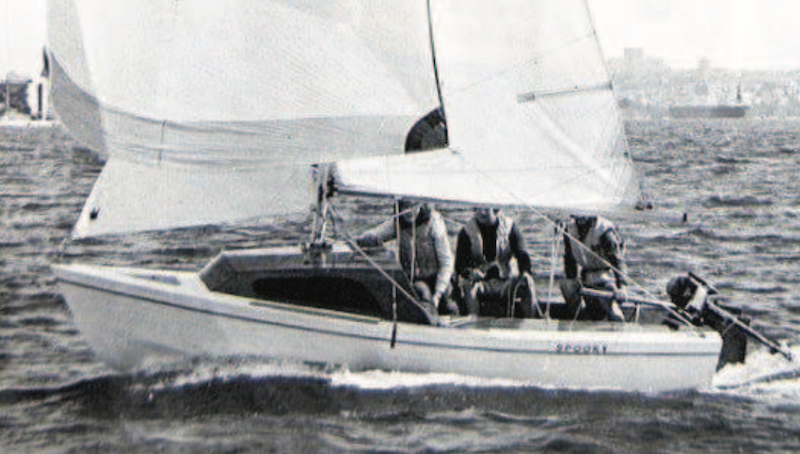
Cherry 16
Various (amateur or kit built)
Same length, 8% heavier · Compare
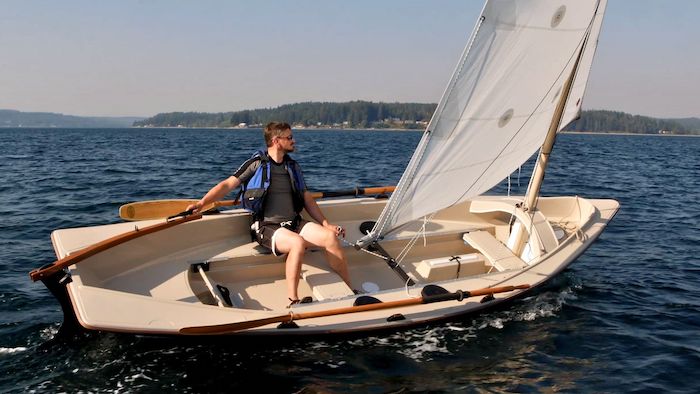
Salish 17 Voyager
Gig Harbor Boat Works
0.3 m longer, 2% lighter · Compare
Improve this page: add photos, a price or your experience
Sign in to upload photos of this yacht.
Know what one sold for? Sign in to add a price →
Own or sailed one? Share your experience →