
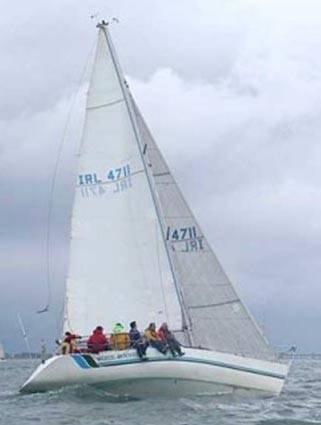
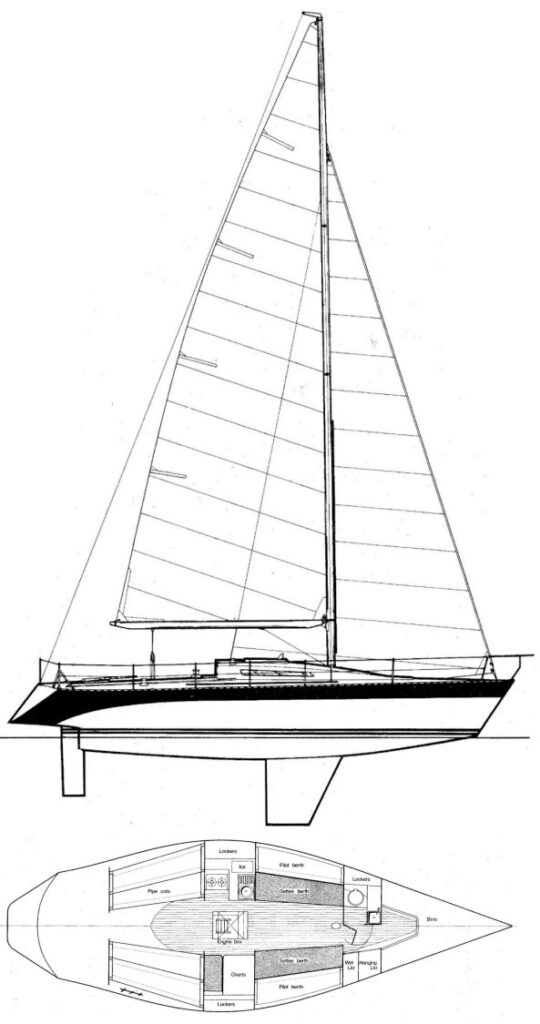
Hustler 36
I have this for saleEmbed the Hustler 36 specs
Show an always up-to-date spec card on your site. Paste the code into your page's HTML; keep the link below the card, so visitors can find the full specifications.
Spec card
Image instead
A static image of the main specs, linked to this page. Works where iframes are not allowed.
General Information
Dimensions
Weight & Ballast
Sail Plan
Performance Ratios
On the numbers, Hustler 36 rates as lively (SA/D 21.8) and light (D/L 164). Its comfort ratio of 15.2 is in the "lightweight racing" band; its ballast/displacement ratio of 46.5% is in the "high" band. Against its peers, Capsize screening stands out: higher than 98% of the 1989 monohulls between 9.9 m and 12.1 m in our catalogue.
Ratios use published displacement (often light ship) and reported sail area; see Sources & methodology.
SA/D 21.8 — lively. Higher than 88% of the 1291 monohulls between 9.9 m and 12.1 m in our catalogue. Sail area relative to displacement: the higher the number, the more sail the boat carries for its weight, which means more power in light air.
Ballast/Disp 46.5% — high. Higher than 86% of the 1784 monohulls between 9.9 m and 12.1 m in our catalogue. The share of the boat's weight that is ballast: a higher share generally means a stiffer boat that stands up better to its sail area.
D/L 164 — light. Lower than 87% of the 1957 monohulls between 9.9 m and 12.1 m in our catalogue. Displacement relative to waterline length: low numbers mean a light boat that accelerates and planes easily, high numbers a heavy boat that carries its weight through a seaway.
Comfort ratio 15.2 — lightweight racing. Lower than 97% of the 1956 monohulls between 9.9 m and 12.1 m in our catalogue. An estimate of motion comfort in waves from displacement, beam and length: higher values suggest a slower, gentler motion.
Capsize screening 2.40 — above the guideline. Higher than 98% of the 1989 monohulls between 9.9 m and 12.1 m in our catalogue. A screening formula from beam and displacement: lower is better, and values under 2.0 are the common guideline for offshore boats.
S-number 3.8. Higher than 89% of the 1277 monohulls between 9.9 m and 12.1 m in our catalogue. A stability number combining hull form and ballast: higher values indicate better stability and sea-keeping.
Notes
IOR 3/4 ton racer.
Similar boats
Diva 35
Fabola Boats
0.2 m shorter, 2% heavier · Compare
Farr 1104
Holmes
Same length, similar displacement · Compare
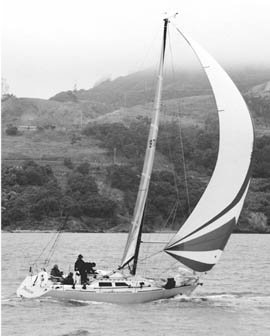
Express 34
Alsberg Brothers Boatworks
0.6 m shorter, similar displacement · Compare
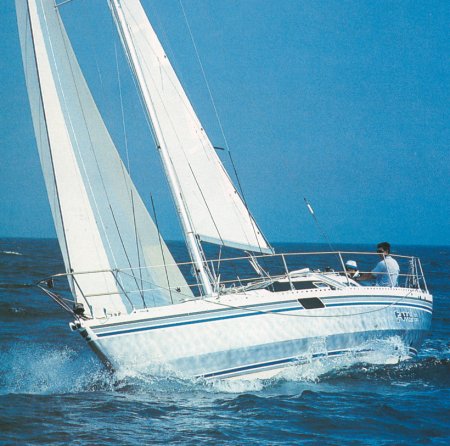
Ovni 32
Alubat
0.6 m shorter, 2% heavier · Compare
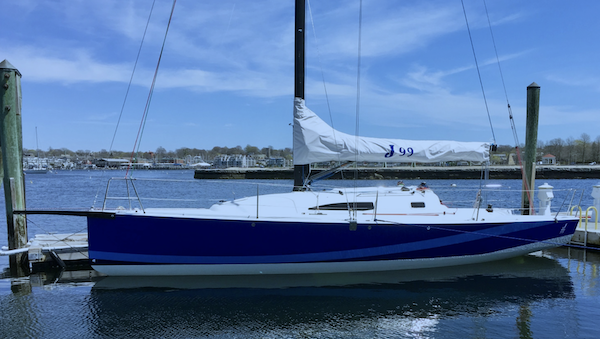
J/99
J/Boats and J/Composites
1.0 m shorter, 1% lighter · Compare
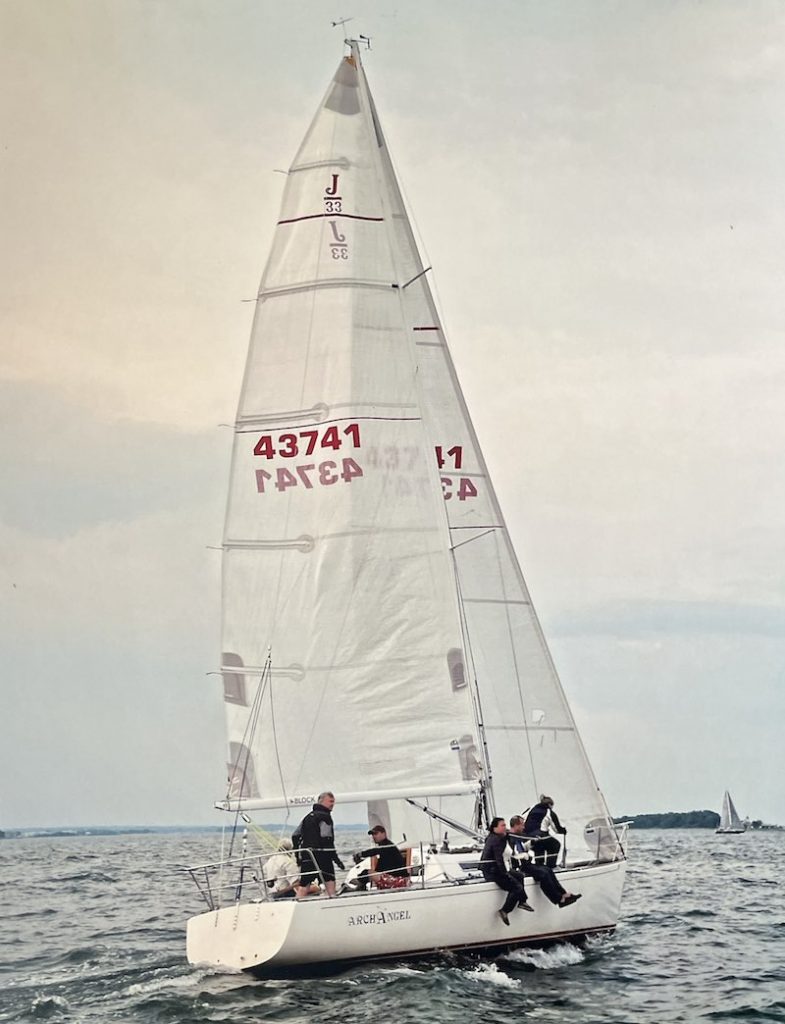
J/33
J Boats Tillotson Pearson
0.8 m shorter, 5% lighter · Compare
Improve this page: add photos, a price or your experience
Sign in to upload photos of this yacht.
Know what one sold for? Sign in to add a price →
Own or sailed one? Share your experience →